

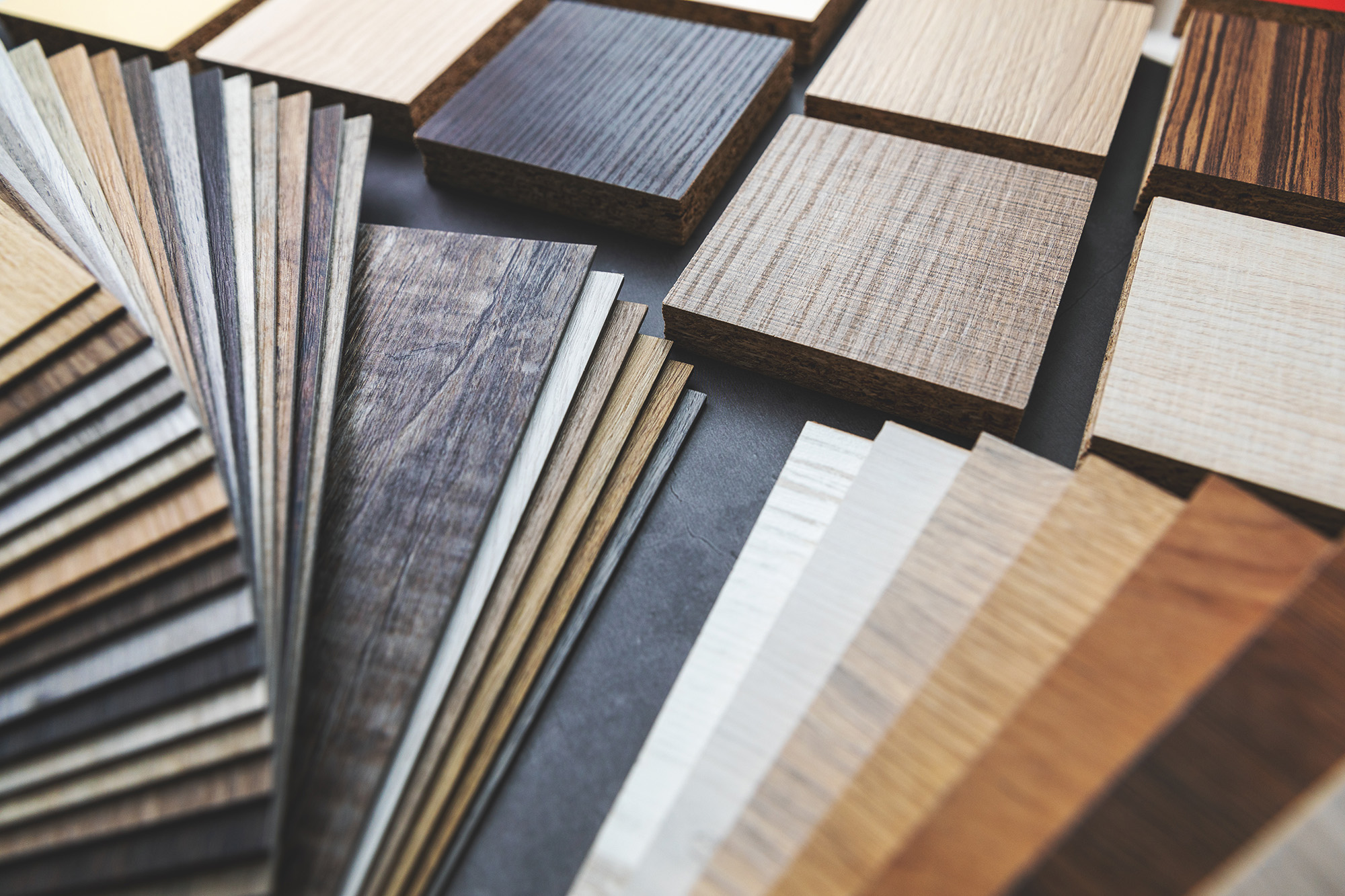
When you start exploring hardwood flooring, you may notice that different products can have noticeably different appearances even when they are made from the same type of wood. Some boards have a relatively uniform appearance, while others feature knots, mineral streaks, color variation, and more pronounced grain patterns. These differences are part of the natural character of wood and can also relate to how hardwood is graded.
Understanding these characteristics can make it easier for you to choose flooring that fits your preferred interior style. If you are exploring hardwood flooring from Carpet Gallery, looking beyond color alone can help you make a more informed choice. You can also consider how your flooring will work with area rugs, furniture, and other elements throughout your home.
What Does Hardwood Flooring Grade Mean?
Hardwood flooring grades are used to describe the appearance and natural characteristics found within the wood. Depending on the grading system and manufacturer, different grades can indicate how much variation, knotting, mineral streaking, or other natural features you may see in the finished boards.
A higher appearance grade generally has fewer visible natural imperfections and can provide a more consistent look from one board to another. Other grades may contain more knots, color variation, and distinctive grain characteristics.
It is important to remember that a particular grade is not simply a measurement of whether one floor is better than another. Different appearance characteristics can suit different design preferences. What matters is understanding what you are getting and choosing an appearance that works for your home.
Natural Variation Is Part of Real Wood
One of the appealing qualities of hardwood flooring is that every piece of natural wood has its own characteristics. Even boards produced from the same species can vary in color, grain, and texture.
You may notice lighter and darker areas across your flooring, along with subtle changes in grain direction. Depending on the wood species and product, you may also see knots or mineral streaks.
These variations can give your floor a more natural and distinctive appearance. If you prefer a floor that does not look completely uniform, choosing a product with more visible character can help you achieve that effect.
Consider the Look You Want to Create
Your preferred interior style can help determine which hardwood appearance makes sense for you. If you want a clean and refined appearance, you may prefer boards with relatively consistent color and fewer prominent natural features.
If you want your flooring to feel more relaxed, rustic, or naturally expressive, you may appreciate boards with more visible knots and grain variation.
You should also consider the rest of your décor. A highly characterful hardwood floor can become an important visual feature in a room, so you may want to balance it with simpler furniture or understated decorative elements.
Wood Species Influence Natural Character
The species of wood you choose can have a major effect on the appearance of your floor. Different species naturally have different grain structures, colors, hardness characteristics, and levels of variation.
Some woods have relatively subtle grain patterns, while others have distinctive movement that immediately attracts attention. Certain species may also show more prominent knots or color differences.
When comparing hardwood samples, look closely at the grain rather than focusing only on the overall color. Two samples with similar shades can create very different impressions if their grain patterns differ significantly.
Think About Knots and Mineral Streaks
Knots are one of the most recognizable characteristics you may see in natural hardwood. They occur where branches formed within the tree and can vary considerably in size and appearance.
Mineral streaks are another natural feature that can contribute to color variation. They can appear as darker or differently colored areas within the wood and add visual interest to individual boards.
If you enjoy natural variation, these features can give your flooring personality. If you prefer a more consistent appearance, you may want to explore products with fewer visible characteristics.
Understand How Grain Affects the Appearance
Grain is another important consideration when you are choosing hardwood flooring. The direction, pattern, and visibility of the grain can influence how much movement the floor appears to have across a room.
A pronounced grain can create a more dynamic appearance, while a subtler grain can provide a calmer visual foundation for your furniture and décor.
Consider the size and layout of the room as well. In a large space, a distinctive grain pattern can become a defining feature. In a smaller room, a quieter grain may help create a more understated appearance.
Look at Samples in Your Own Home
One of the best ways to understand hardwood character is to see samples alongside the features already present in your home. Lighting, wall color, furniture, and surrounding materials can all influence how the wood appears.
A sample that looks warm under showroom lighting may appear different next to your walls or furniture. Natural daylight can also reveal variations that are less noticeable under artificial lighting.
If possible, view your samples at different times of day. This can help you understand how the color and grain respond to changing light before you make your final decision.
Consider How the Floor Will Work with Furniture
Your furniture can either complement or compete with the natural character of your hardwood flooring. If you choose boards with pronounced grain and noticeable knots, consider how they will interact with your existing furniture.
For example, simple furniture can allow a characterful floor to become a focal point. If your furniture already includes bold patterns, strong wood details, or elaborate finishes, a more consistent hardwood appearance may provide better balance.
You do not need to match your furniture to your flooring. Instead, look for complementary tones and textures that allow each element to remain visible.
Area Rugs Can Add Another Layer
Area rugs can help you introduce additional texture and color once your hardwood flooring is installed. They can also define seating areas without covering the character of the entire floor.
If you have chosen hardwood with prominent grain variation, a relatively simple rug can create an attractive contrast. If your flooring has a more uniform appearance, you can use a patterned or textured rug to introduce additional visual interest.
This gives you flexibility when decorating because rugs can be changed more easily than permanent flooring.
Do Not Choose Based on Grade Alone
When comparing hardwood flooring, it is easy to focus heavily on terminology such as grade. However, appearance grade is only one part of your decision.
You should also consider the wood species, color, finish, plank dimensions, installation requirements, and how the flooring fits your everyday needs. The overall combination of these characteristics determines how the finished floor will look and perform in your space.
Ask questions about the specific flooring product you are considering. Understanding how the manufacturer defines its grades and natural characteristics can help you compare products more accurately.
Choose Character That Fits Your Style
There is no single hardwood appearance that works for every interior. You may prefer a refined floor with relatively consistent boards, or you may want the natural variation that gives wood its distinctive character.
Think about how you want your room to feel and how much visual attention you want your flooring to receive. Then consider the relationship between the wood's natural characteristics and the furniture, walls, rugs, and other design elements you plan to use.
Find Hardwood Flooring That Feels Right for Your Home
Understanding hardwood grades and natural wood character can make your flooring search much easier. Instead of treating knots, grain variation, and mineral streaks as simple imperfections, you can consider how these features contribute to the appearance you want.
Take time to compare samples, examine the grain, consider your existing décor, and view the flooring under the lighting conditions in your home. This approach can help you choose hardwood flooring that feels like a natural part of your interior rather than an afterthought.
If you are ready to explore hardwood flooring options for your home, contact Carpet Gallery to discuss your project. You can explore different hardwood appearances and find an option that complements your style and the character you want to bring into your space.


