

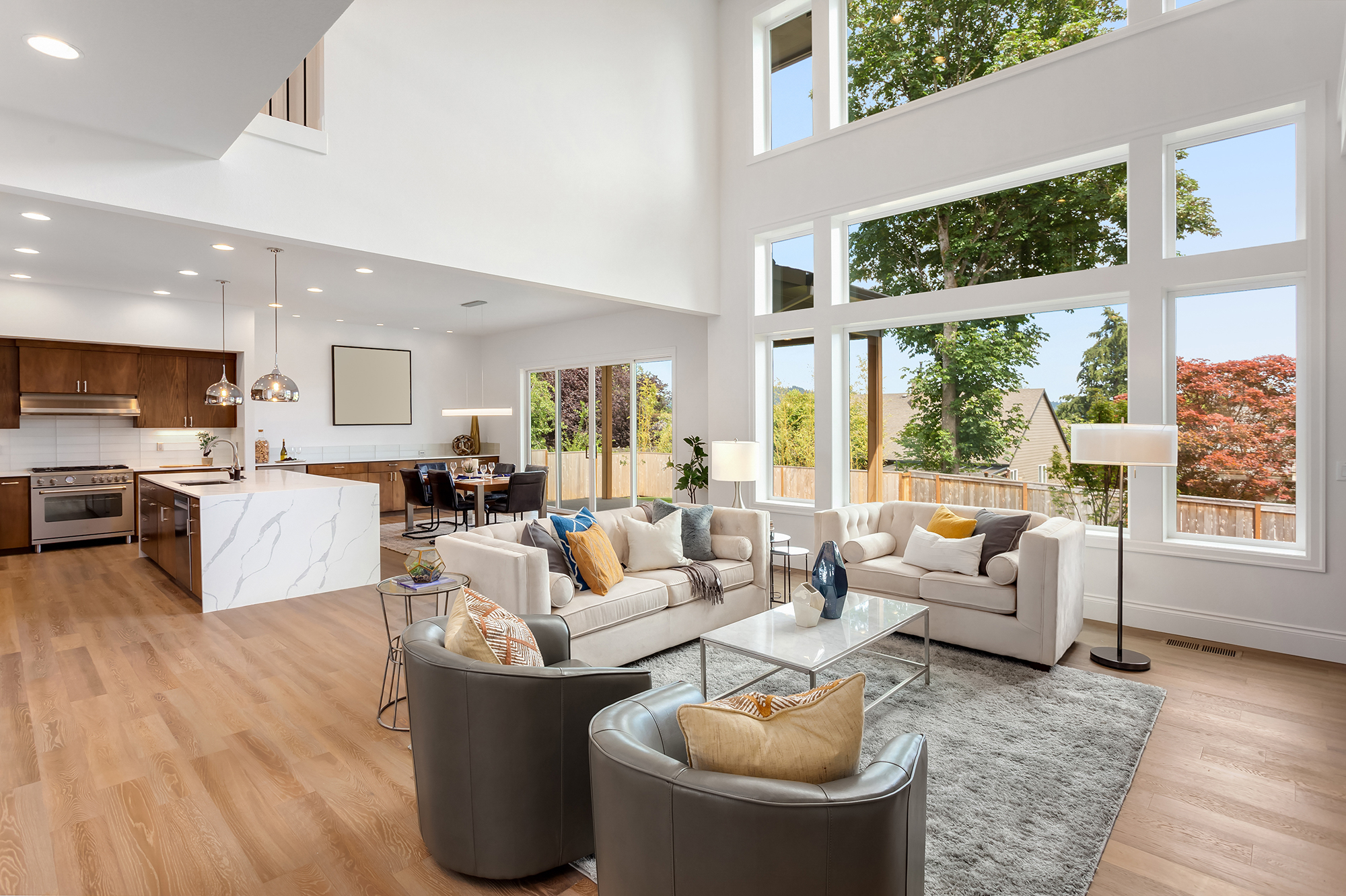
When you want to refresh a room without making major changes, you do not always need new furniture or a complete redesign. Sometimes, the right area rugs can make a noticeable difference. By combining different textures and patterns, you can add warmth, personality, and visual interest while keeping the room comfortable and inviting.
If you are exploring area rugs for your home or considering how they can work with your existing flooring, you have plenty of options to explore. You can also use hardwood flooring as a foundation and bring in rugs that complement its color, grain, and overall character.
The key is to make your choices feel intentional. You do not want every rug to compete for attention. Instead, think about how texture, pattern, color, and placement can work together to create a comfortable visual balance.
Start with the Overall Look You Want
Before you choose individual rugs, take a moment to consider the atmosphere you want to create. Do you want the room to feel relaxed and casual, polished and sophisticated, or warm and layered?
Your existing furniture and flooring can help guide you. If your room already includes several bold elements, you may want rugs with softer patterns and subtle textures. If your furniture is simple and your flooring has a relatively understated appearance, you have more freedom to introduce stronger patterns.
Thinking about the room as a whole makes it easier to avoid choosing rugs simply because you like them individually. A rug can look beautiful on its own but feel out of place when combined with everything else in the room.
Mix Textures for More Visual Depth
Texture is one of the easiest ways to make layered rugs feel interesting without making the room look overly busy. You can combine a low pile rug with a softer, thicker rug to create contrast underfoot and add dimension to the space.
For example, you might start with a larger rug that has a relatively flat or tightly woven texture. A smaller rug with a softer pile can then provide a more comfortable focal point. The difference between the two surfaces gives the room depth without requiring dramatic colors or patterns.
You can also consider natural looking textures when you want a relaxed atmosphere. Subtle woven details can work particularly well with wood flooring, neutral furniture, and other natural materials.
Use Patterns at Different Scales
When you combine patterned rugs, pay attention to the size of the patterns. Using two rugs with equally large and noticeable patterns can make the space feel visually crowded.
Instead, try pairing a rug with a larger, more prominent design with another rug featuring a smaller or more delicate pattern. The contrast allows each design to remain visible without making the entire floor feel overwhelming.
You can also balance a patterned rug with a more understated rug. This approach gives you the opportunity to introduce personality while maintaining a calm overall appearance.
Keep a Connection Between the Rugs
Layering does not mean that every rug needs to match. In fact, matching everything too closely can make the design feel predictable. However, you should have at least one element that connects the rugs visually.
Color is an easy way to create that connection. If your main rug includes several colors, you can choose a smaller rug that picks up one of those shades. The patterns can be completely different while still feeling related.
You can also connect rugs through texture. For example, two rugs with different patterns can still work together if both have a natural, woven quality. Similarly, similar color tones can help tie together rugs with very different surface textures.
Let Your Flooring Become Part of the Design
Your existing flooring should not be treated as something that disappears beneath your rugs. It can become an important part of the overall design.
If you have hardwood flooring with noticeable grain variation, you may want to keep your rug choices relatively balanced so that the flooring and rugs do not compete with one another. A more detailed rug can provide an attractive contrast against a simpler wood floor, while a quieter rug may work better with highly characterful flooring.
The same principle applies if you have laminate or another flooring surface. Think about the color and visual movement of the floor before selecting your rugs. When the flooring and rugs complement one another, the entire room can feel more cohesive.
Consider Where You Place Each Rug
Placement can be just as important as the rugs themselves. When you layer rugs, you want the arrangement to look purposeful rather than accidental.
Start with the larger rug as the foundation. Then position the smaller rug where it helps define a specific area or highlight a particular piece of furniture. You might place a smaller rug beneath a coffee table, seating area, or another central feature.
Do not feel that the smaller rug has to sit perfectly in the center of the larger one. A slight offset can create a more relaxed and natural appearance, depending on the room and the style of the rugs.
Balance Bold and Subtle Choices
If you love bold patterns, you do not necessarily have to avoid them. The trick is to give those patterns room to stand out.
For instance, if one rug has a strong geometric pattern, consider pairing it with a rug that has a subtle texture rather than another highly detailed design. This creates a visual hierarchy, allowing one element to attract attention while the other supports it.
You can use the same approach with color. A richly colored rug can become the focal point, while a neutral or softly patterned rug can provide balance. This makes it easier to bring personality into your room without making the entire space feel visually heavy.
Think About the Rest of Your Décor
Your rugs should work with more than just your flooring. Look at your furniture, curtains, pillows, artwork, and other decorative details before finalizing your selections.
You do not need to match your rugs directly to every item in the room. Instead, look for relationships between the colors and textures. A rug can pick up a small accent color from a chair or decorative pillow without using the exact same shade throughout the space.
This approach gives you more flexibility and helps your room feel collected rather than overly coordinated.
Make the Combination Feel Natural
The most successful layered rug arrangements usually have some variation. You can mix textures, pattern scales, shapes, and tones while still maintaining an overall sense of balance.
As you make your selections, step back and look at the room from different angles. If one rug immediately dominates your attention, consider whether the other rug needs to be quieter. If everything looks too similar, adding a contrasting texture or pattern may give the arrangement more character.
You also want to make sure the rugs work with how you actually use the space. A beautiful arrangement should still be practical for your everyday routine. Consider foot traffic, furniture placement, and how easy the rugs will be to maintain before making your final choices.
Create a Look That Feels Like Yours
Layering area rugs gives you a simple way to experiment with your home's design. You can introduce new textures and patterns without replacing your existing furniture or flooring, making it easier to refresh a room while keeping the features you already enjoy.
Start with the foundation of the room, identify the colors and textures you already have, and then build from there. When you combine different patterns thoughtfully and use texture to create contrast, your rugs can add depth without taking over the space.
If you are ready to explore area rugs for your home, contact Carpet Gallery to discuss your options. You can find styles that complement your existing flooring and help you create a comfortable, personalized look for your space.


