

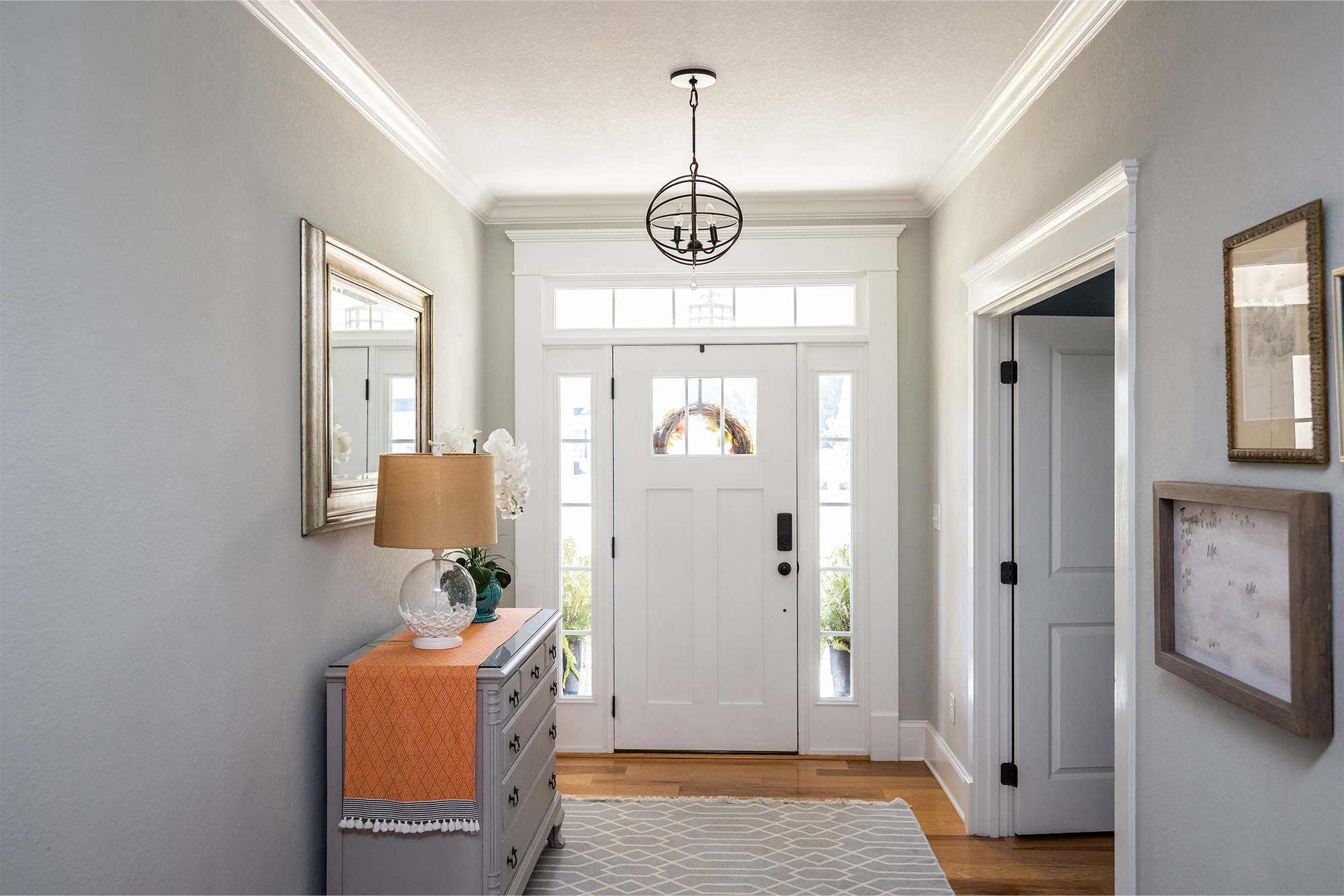
Your entryway is one of the first parts of your home you experience when you walk through the door. It sets the tone for the rooms beyond it while handling plenty of everyday activity. Shoes, visitors, bags, pets, and changing weather can all make this an especially practical area to consider when planning your interior.
With the right combination of flooring and an area rug, you can create an entryway that feels inviting while fitting naturally into the rest of your home. If you are exploring area rugs from Carpet Gallery, think about how the rug can complement your flooring rather than treating it as a separate decorative feature. You can also explore hardwood flooring options when considering a flooring foundation that works with your home's overall design.
Start with the Flooring
Your entryway flooring provides the foundation for everything else in the space. Because this area often experiences frequent foot traffic, you should consider both appearance and everyday practicality when choosing a flooring material.
The color and character of your flooring can also influence how your entryway connects with the rooms beyond it. If your entryway opens directly into a living room or hallway, choosing a flooring style that complements those spaces can create a smoother visual transition.
Think about how much of the flooring you want to remain visible as well. An area rug can add comfort and personality, but you may still want enough of the underlying floor to contribute to the overall design.
Choose an Area Rug That Fits the Space
Once you have considered the flooring, you can choose an area rug that suits the dimensions and layout of your entryway. The rug should feel proportional to the available space rather than appearing too small or extending into areas where it could interfere with doors or walking paths.
Measure the entryway before choosing your rug. Pay attention to the location of doors, stairs, furniture, and nearby hallways. You want people to be able to move comfortably around the rug without feeling as though they have to step around it.
A properly proportioned rug can help define the entryway and give the space a finished appearance.
Use Color to Connect the Entryway to Your Home
Your entryway does not have to look exactly like every other room, but it should feel connected to the rest of your interior. Color is one of the easiest ways to achieve this.
Look at the colors already present in nearby rooms. You might choose an area rug that picks up a shade from your living room furniture, curtains, artwork, or other decorative details.
If your flooring already has a noticeable color or wood grain, a rug with complementary tones can help soften the transition between the floor and the surrounding décor. You can introduce a stronger accent color through the rug if the rest of your entryway is relatively neutral.
Consider Pattern and Visual Interest
Your entryway can be a good place to introduce a pattern, particularly if the surrounding décor is relatively simple. A patterned area rug can create a focal point and give visitors an immediate sense of your decorating style.
You do not need to choose the boldest design available. A subtle geometric pattern, understated motif, or tonal design can provide visual interest while keeping the entryway sophisticated.
If your flooring has strong natural variation or distinctive visual details, consider choosing a rug with a simpler pattern. This allows the flooring and rug to complement each other without competing for attention.
Think About Texture
Texture can make your entryway feel more inviting. If you have a smooth flooring surface, an area rug can introduce softness and create a noticeable contrast underfoot.
You can also use texture to complement other materials in the space. Wood flooring, woven accessories, upholstered seating, and textured rugs can work together to create a warmer atmosphere.
When choosing a rug, think about how it feels as well as how it looks. Since the entryway is a frequently used part of your home, the rug should suit the way you actually use the space.
Keep the Doorway and Walkways Clear
A beautiful entryway still needs to function properly. Before placing your rug, look at how your doors open and how people naturally move through the space.
You should avoid positioning a rug where it prevents a door from opening smoothly. You also want to maintain comfortable walking paths between the entrance and the rooms beyond it.
If your entryway is narrow, a runner may be more suitable than a traditional rectangular area rug. A wider entryway may give you more flexibility with size and placement.
Think About Seasonal Changes
Entryways can experience different conditions throughout the year. During colder or wetter periods, you may deal with moisture, dirt, and debris being carried inside. During warmer months, the same space may experience different types of everyday traffic.
Choosing a rug that suits your household routine can make the entryway easier to manage. You may also want to consider whether you can easily move or replace the rug when you want to refresh the space.
Keeping a suitable mat or rug near the entrance can also help create a practical transition between the outdoors and the rest of your home.
Coordinate with Furniture and Accessories
Your entryway may include a console table, bench, mirror, coat storage, lighting, artwork, or decorative accessories. These elements should work alongside your flooring and rug rather than making the space feel overcrowded.
If you have a patterned rug, you can keep some of the surrounding accessories simple. If your rug has a neutral appearance, you have more flexibility to introduce color through artwork, cushions, decorative objects, or other details.
You can also use the rug to visually anchor a piece of furniture. For example, a runner can emphasize the length of an entryway, while a larger rug can help define a seating or drop zone.
Connect the Entryway to Nearby Rooms
Your entryway often serves as a transition between the exterior and the main living areas of your home. It can also be the first space that connects several rooms visually.
Consider the flooring colors and design elements that appear immediately beyond the entryway. If the adjoining areas feature warm wood tones, you might choose a rug that incorporates similar shades. If your home has a lighter and more contemporary palette, a neutral rug can help maintain that feeling.
You do not need to duplicate the exact colors from another room. A few complementary details can be enough to create continuity.
Use Your Entryway to Express Your Style
Because entryways are often smaller than living rooms or dining areas, you can sometimes experiment with design elements here that you might hesitate to use throughout your home.
A distinctive area rug can introduce a pattern or color without overwhelming a large space. You can also pair a more expressive rug with simple flooring and understated furniture to keep the overall look balanced.
Think about what you want people to notice when they enter your home. Your rug could provide the first decorative detail they see, while your flooring establishes a consistent foundation underneath it.
Consider the Entire Combination
The flooring and rug should work together as a complete design rather than being selected independently. Start by looking at the flooring's color, grain, texture, and overall appearance. Then consider what the rug can add to the space.
If your floor is visually simple, you may have more freedom to choose a patterned or textured rug. If your flooring already has plenty of character, a quieter rug may create a better balance.
You should also consider the surrounding walls and furniture. When all of these elements work together, your entryway can feel intentional and connected to the rest of your home.
Create an Entryway You Enjoy Coming Home To
A welcoming entryway does not require a complicated redesign. The right flooring and area rug combination can give you a practical foundation while adding warmth, color, texture, and personality.
Start by considering how you use the space, then look at the flooring, dimensions, lighting, nearby rooms, and existing décor. Choose a rug that complements these elements and leaves enough room for comfortable movement.
Whether you prefer a classic, contemporary, or more relaxed interior, thoughtful flooring and rug choices can help your entryway feel like a natural part of your home from the moment you walk through the door.
If you are ready to explore flooring and area rug options for your home, contact Carpet Gallery to discuss your project. You can explore options that complement your interior while creating an entryway that is both inviting and practical.


