

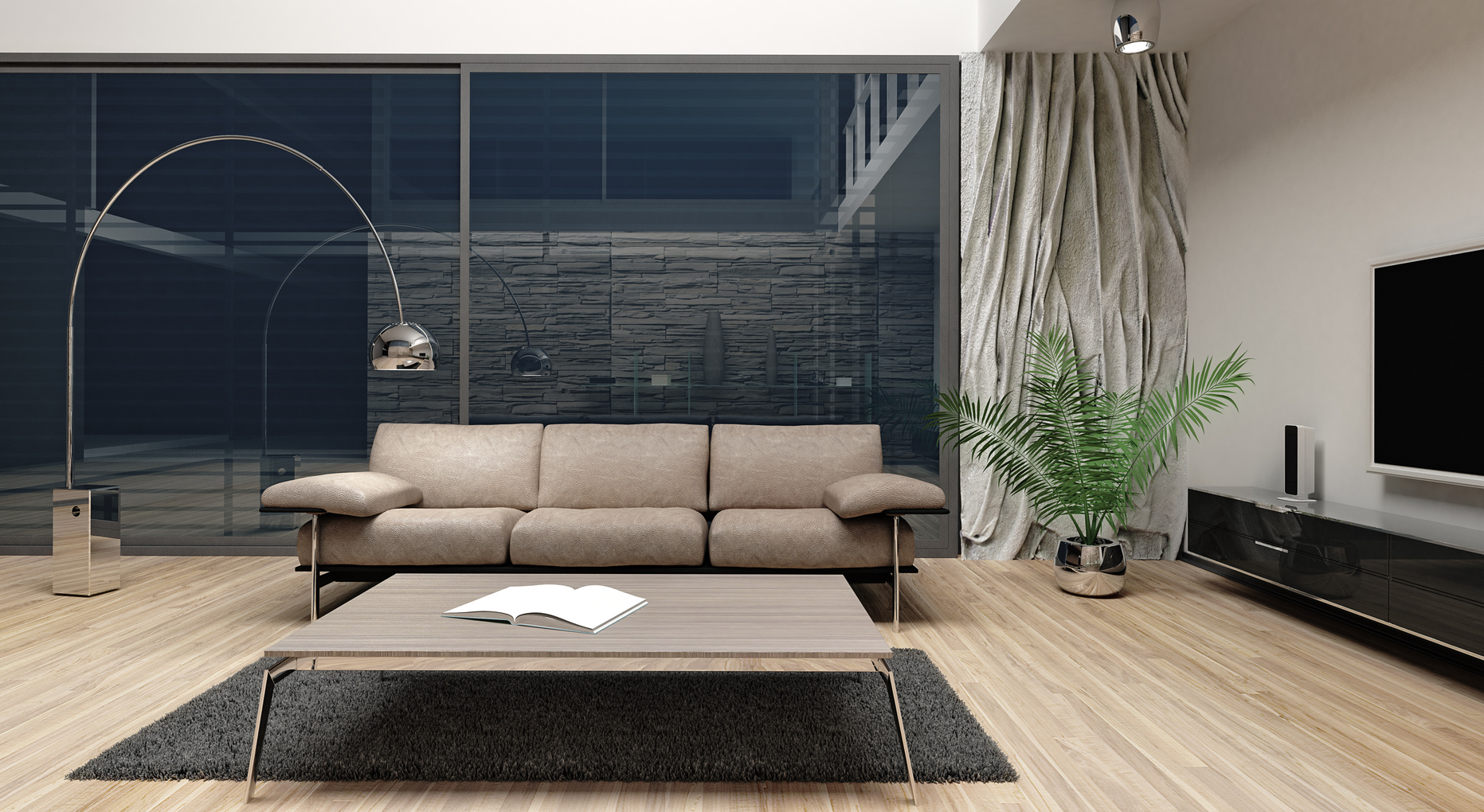
Your flooring covers a large part of your home, so it naturally influences how the rest of your interior looks and feels. When you are updating a room, it can be tempting to choose flooring based only on the color or style you like. However, taking your furniture, wall colors, lighting, and décor into account can help you create a space that feels much more connected.
Whether you are considering hardwood flooring, laminate, or adding area rugs to an existing floor, you can use your flooring as the foundation for your overall design. You do not need every element to match perfectly. Instead, you want the different pieces to complement one another and create a balanced appearance.
Begin with the Pieces You Already Own
If you are replacing your flooring but keeping most of your furniture, start by looking at what you already have. Your sofa, dining table, cabinets, bedroom furniture, and other larger pieces can give you useful clues about which flooring colors will work best.
For example, if your furniture features warm wood tones, you may want flooring with a complementary warm or neutral appearance. If your furniture is mostly white, gray, or another cool shade, a neutral flooring color can provide a natural backdrop without creating too much contrast.
You do not have to choose flooring that matches your furniture exactly. In fact, some contrast can make the room more visually interesting. The goal is to make sure the colors work together rather than compete with each other.
Choose a Flooring Color That Gives You Flexibility
Your furniture and décor may change several times over the life of your flooring. You might replace your sofa, repaint the walls, or update your curtains and accessories. Because of this, it can be helpful to choose a flooring color that gives you room to make future changes.
Neutral flooring can be particularly versatile. It can provide a quiet foundation for colorful furniture and artwork, while still working with a more understated decorating style.
If you prefer a stronger flooring color, you can still create flexibility by keeping some of the surrounding elements relatively simple. This allows the flooring to become an important part of the room without making the entire space feel visually crowded.
Pay Attention to Undertones
One detail that can easily be overlooked when coordinating flooring is the undertone. Two floors may both appear brown, for example, but one may have warm golden undertones while another has cooler gray undertones.
These subtle differences can become more noticeable when you place the flooring next to furniture, cabinets, walls, and fabrics.
Before choosing a floor, compare samples with the materials already in your room. Place them next to your furniture and look at them under both natural and artificial lighting. This can help you see whether the undertones complement one another.
Use Area Rugs to Connect Different Elements
Area rugs can be useful when you want to bring flooring, furniture, and décor together. Because rugs contain multiple colors and textures, they can act as a bridge between different elements in a room.
Suppose your flooring has a medium wood tone while your furniture includes both lighter and darker shades. A rug that incorporates some of those colors can help connect the pieces without requiring everything to match.
You can also use rugs to introduce patterns into a room with relatively simple flooring. A patterned rug can become a focal point, while a more understated rug can provide warmth and texture without drawing too much attention.
Think About Contrast
Contrast can prevent your room from looking flat. If your flooring, furniture, and walls are all extremely similar in color, individual elements may begin to blend together.
Instead, consider introducing differences in tone. Light furniture can stand out against a deeper floor, while darker furniture can create a strong visual presence against lighter flooring.
You can also create contrast through texture. A smooth flooring surface can be balanced with upholstered furniture, woven accessories, textured curtains, and soft area rugs. These differences can make the room feel more layered and comfortable.
Coordinate with Your Wall Colors
Your walls and floors create the backdrop for nearly everything else in the room. When these two elements work well together, it becomes easier to coordinate your furniture and décor.
Light flooring and light walls can create a bright and open appearance. If you prefer more contrast, you can combine lighter walls with medium or darker flooring.
If your walls already feature a strong color, you may want to choose a flooring tone that provides balance. A neutral floor can allow a bold wall color to remain the focal point without introducing another competing feature.
Consider the Amount of Natural Light
Natural light can affect how flooring and furniture colors appear throughout the day. A room with large windows may look considerably different in the morning compared with the evening.
This is why you should avoid making your flooring decision based on a sample viewed under only one type of lighting. Take samples into the room whenever possible and observe how they look at different times.
If a room receives limited natural light, lighter flooring and lighter furnishings may help create a brighter atmosphere. If the room receives abundant sunlight, you may have more flexibility with deeper flooring colors and richer furniture tones.
Do Not Overlook Your Existing Décor
Your smaller decorative pieces can also influence how your flooring works within the room. Look at your artwork, cushions, curtains, lamps, decorative objects, and other accessories.
You do not need to coordinate every small item with the floor. Instead, identify a few recurring colors or materials and consider how the flooring interacts with them.
For instance, natural wood flooring can work beautifully with woven baskets, wooden furniture, textured fabrics, and other natural looking materials. A neutral laminate floor can provide a simple foundation for colorful artwork and contemporary accessories.
Create Connections Between Rooms
If you can see several rooms from one central area, consider how their flooring and furnishings relate to one another. You can give each room its own personality while still maintaining a sense of continuity.
One approach is to use a consistent flooring style through connected spaces and introduce differences through furniture and décor. This allows the floor to provide a visual connection while each room remains distinct.
If different flooring materials are necessary, look for complementary colors rather than trying to make them identical. A thoughtful transition can help the spaces feel connected without making the design look overly matched.
Let One Element Take the Lead
A room can become visually overwhelming when every element demands attention. If you have a highly distinctive floor, bold furniture, patterned rugs, and colorful walls all competing at once, it may be difficult for the design to feel balanced.
Instead, decide which feature you want to stand out. If your hardwood flooring has a particularly attractive natural grain, you might keep your rug and furniture choices relatively simple. If your furniture is the focal point, a more understated floor can provide the right background.
This approach gives each important element enough space to be appreciated.
Think About Texture as Well as Color
Color is only one part of coordinating your flooring with your interior. Texture can have an equally important effect.
Hard flooring can be balanced with soft textiles, upholstered furniture, curtains, and rugs. If your flooring has a strong natural texture or visible grain, simpler surrounding materials can help highlight it.
When several textures are combined thoughtfully, the room can feel more inviting without relying on lots of different colors.
Build Your Design Around Your Lifestyle
Your home should look good, but it should also work for the way you live. When choosing flooring and coordinating it with furniture and décor, consider how you actually use each space.
If you spend a lot of time relaxing in the living room, you may want comfortable furniture and an area rug that adds warmth. If you frequently entertain guests, you might prefer a layout that leaves enough open space for movement.
Your flooring choices should support these practical needs rather than simply following a particular decorating trend.
Create a Cohesive Look That Feels Natural
Coordinating flooring with furniture and décor does not mean creating a perfectly matched room. Your home can have contrast, personality, and variation while still feeling cohesive.
Start with your flooring as the foundation, then consider the colors, textures, and materials already present in your home. Look for ways to complement those elements instead of matching everything exactly.
When you take this approach, your flooring becomes more than a practical surface. It becomes part of the overall design and gives your furniture and décor a foundation that can continue to work as your style evolves.
If you are considering new flooring for your home, contact Carpet Gallery to explore your options. You can find flooring styles that work with your existing interior and create the comfortable, coordinated look you want for your space.


