

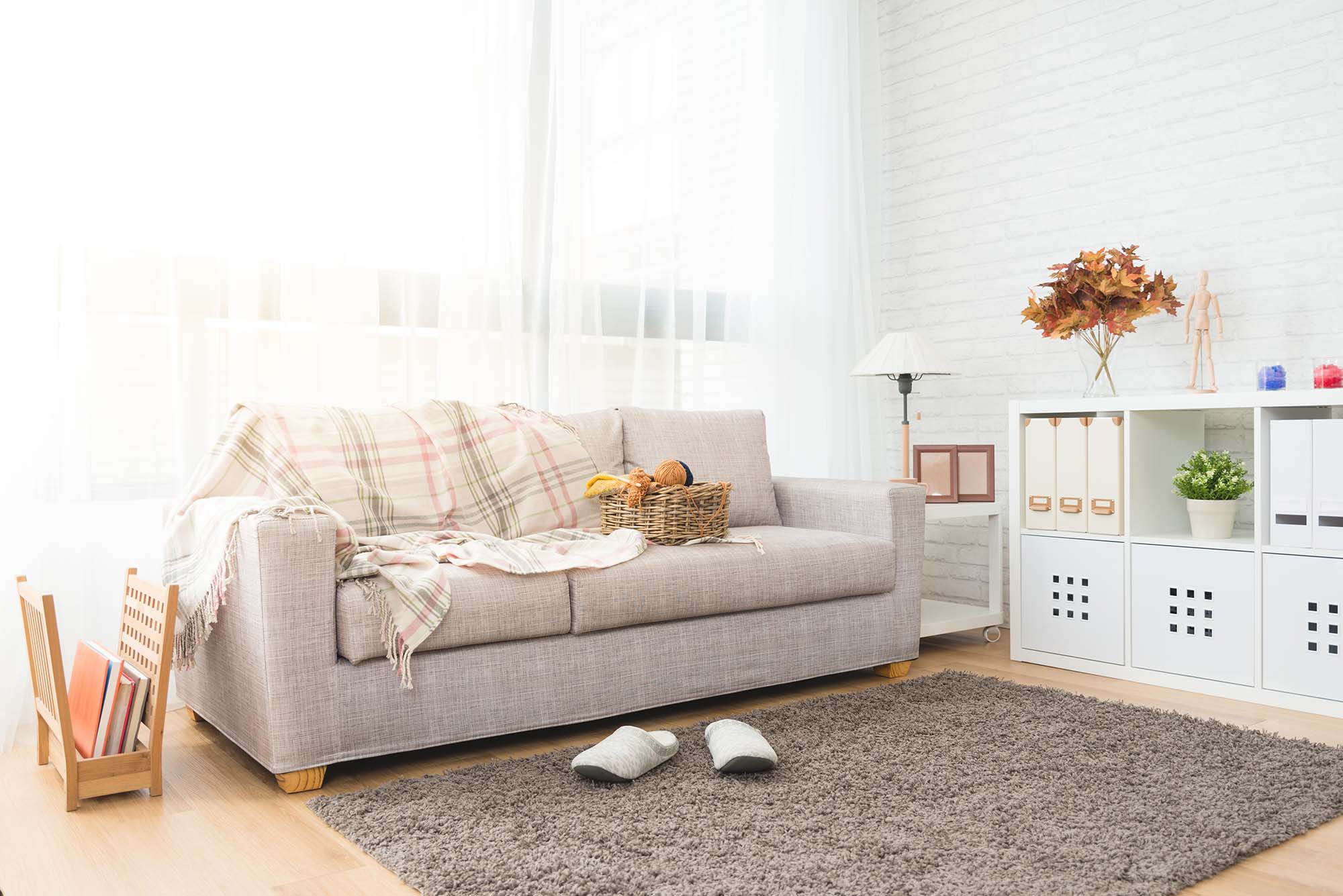
Choosing hardwood flooring is about more than deciding between light and dark wood. The color you select can influence how spacious, warm, bright, or inviting your rooms feel. Since your flooring covers a significant amount of visual space, it can also affect how your furniture, walls, rugs, and other design elements come together.
If you are considering hardwood flooring for your home, you have an opportunity to create a foundation that works with your personal style for years to come. You can also bring in area rugs later to introduce additional color, texture, and comfort without changing the flooring itself.
The best place to start is not with a particular shade. Instead, look at the room you already have and consider how you want it to feel. Your furniture, natural light, wall colors, and existing décor can all help you narrow down the right hardwood color.
Start by Looking at Your Existing Décor
Before you choose a hardwood color, take a look around the room. What colors and materials are already part of your design?
If you have furniture in warm brown, tan, cream, or earthy tones, a warm hardwood color may create a natural connection between the floor and the furnishings. If your décor includes cooler shades such as gray, white, muted blue, or soft green, a more neutral hardwood color may work well with the existing palette.
You do not have to match your flooring directly to your furniture. In fact, using exactly the same wood tone throughout a room can sometimes make everything blend together. Instead, look for colors that complement each other while providing enough contrast to keep individual pieces noticeable.
Consider How Much Natural Light You Have
Lighting can change the way hardwood flooring looks once it is installed. A color that appears one way in a showroom may look different in your home depending on the amount of natural and artificial light in the room.
If your room receives plenty of natural light, you have more flexibility when choosing between different flooring shades. A darker floor can create an attractive contrast against bright walls and windows, while a lighter floor can enhance the airy feeling of the space.
If your room has limited natural light, a lighter or medium hardwood color may help the space feel more open. That does not mean you need to avoid dark flooring altogether. You can balance a darker floor with lighter walls, furniture, curtains, and other decorative elements.
Think About the Size of the Room
Your flooring color can also influence how you perceive the size of a room. Lighter flooring often creates a brighter and more open appearance, which can be useful when you want a smaller space to feel less enclosed.
Darker hardwood can give a larger room a more grounded and intimate atmosphere. If you have a spacious living room or open area, a deeper flooring color can add warmth and definition.
However, room size should not be the only factor you consider. Your overall design matters just as much. The right combination of flooring, wall color, furniture, and lighting can make either a light or dark floor work beautifully.
Understand Warm and Cool Wood Tones
Hardwood colors can generally lean warm, cool, or neutral. Understanding the difference can make it easier to coordinate your flooring with the rest of your home.
Warm wood tones often have noticeable golden, honey, reddish, or reddish brown undertones. They can create a cozy and traditional atmosphere and work well with other warm colors.
Cooler wood tones can have gray, taupe, or subdued undertones. These colors can complement modern interiors that use cooler wall colors and minimalist furnishings.
Neutral hardwood colors offer more flexibility because they can work with a broader range of decorative styles. If you expect to change your furniture or décor in the future, a versatile neutral tone can give you more freedom.
Do Not Forget Your Wall Color
Your walls and flooring occupy two of the largest visual areas in many rooms, so it is worth considering them together. You do not need an exact match, but you should think about how the colors interact.
Light walls paired with medium or dark hardwood can create contrast and make the flooring stand out. On the other hand, light hardwood paired with light walls can create a softer and more open appearance.
If your walls already have a strong color, you may want a flooring shade that provides balance rather than competing for attention. Neutral hardwood can be particularly useful when you want your artwork, furniture, or accent pieces to remain the focal points.
Use Area Rugs to Add Another Layer
Once your hardwood flooring is installed, you can use area rugs to introduce additional colors and textures. This gives you flexibility if your decorating preferences change over time.
For example, a neutral hardwood floor can work as a foundation for a colorful patterned rug. A deeper wood tone can provide an attractive background for a lighter rug, while a warm hardwood floor can pair naturally with rugs featuring earthy colors.
Because rugs are easier to replace than flooring, they can also give you an opportunity to update the appearance of a room without making a major investment. You can change them seasonally or whenever you want to refresh your décor.
Consider the Style of Your Home
Your home's architectural style can also provide useful inspiration. Traditional interiors may work naturally with richer hardwood colors and classic wood tones. Contemporary spaces may pair well with lighter or more neutral flooring.
That does not mean you have to follow a strict design rule. Your personal taste is more important than matching your flooring to a particular style category.
If you love the contrast of a traditional looking hardwood floor with modern furniture, there is no reason you cannot combine them. Flooring can actually help connect different design elements and give your room a more personalized appearance.
Think About the Rest of Your Home
If you are installing hardwood in several areas, look beyond the individual room. Consider what you will see when you move from one space into another.
A consistent hardwood color throughout connected areas can create visual continuity. You can then use furniture, rugs, artwork, and accessories to give each room its own personality.
If you are combining hardwood with other flooring materials, pay attention to the transition between them. The colors do not have to be identical, but choosing complementary tones can make the change feel more intentional.
Look at Samples in Your Own Space
One of the most useful steps you can take is to look at flooring samples before making your final decision. Place the samples in different areas of your room and observe them at different times of day.
Natural sunlight, overhead lighting, lamps, wall colors, and surrounding furniture can all affect how you perceive a flooring color. Seeing a sample next to your actual décor gives you a much better idea of how the finished floor may look than relying on a small photograph alone.
You should also look at the sample from different angles. Hardwood can have natural variation in color and grain, so viewing it under different lighting conditions can help you make a more confident choice.
Choose a Color You Can Live With
Trends can be useful for inspiration, but your hardwood flooring should ultimately suit your everyday preferences. Flooring is a long term design decision, so think about whether you will still enjoy the color after your current decorating style changes.
A versatile hardwood color can give you room to experiment with furniture and accessories over the years. You may repaint your walls, replace your sofa, or update your rugs, but the flooring can continue to provide a stable foundation for those changes.
Build Your Interior Around the Right Foundation
The right hardwood color can help you create the atmosphere you want while giving your furniture and décor a natural foundation. Instead of choosing a shade based only on what looks attractive in a photograph, consider your room's lighting, size, wall colors, furniture, and overall style.
Whether you prefer a light, medium, dark, warm, cool, or neutral appearance, taking the time to compare your options can help you find a floor that feels right for your space.
If you are ready to explore hardwood flooring options for your home, contact Carpet Gallery to discuss your project. You can explore different flooring styles and find a hardwood color that complements the way you want your home to look and feel.


