

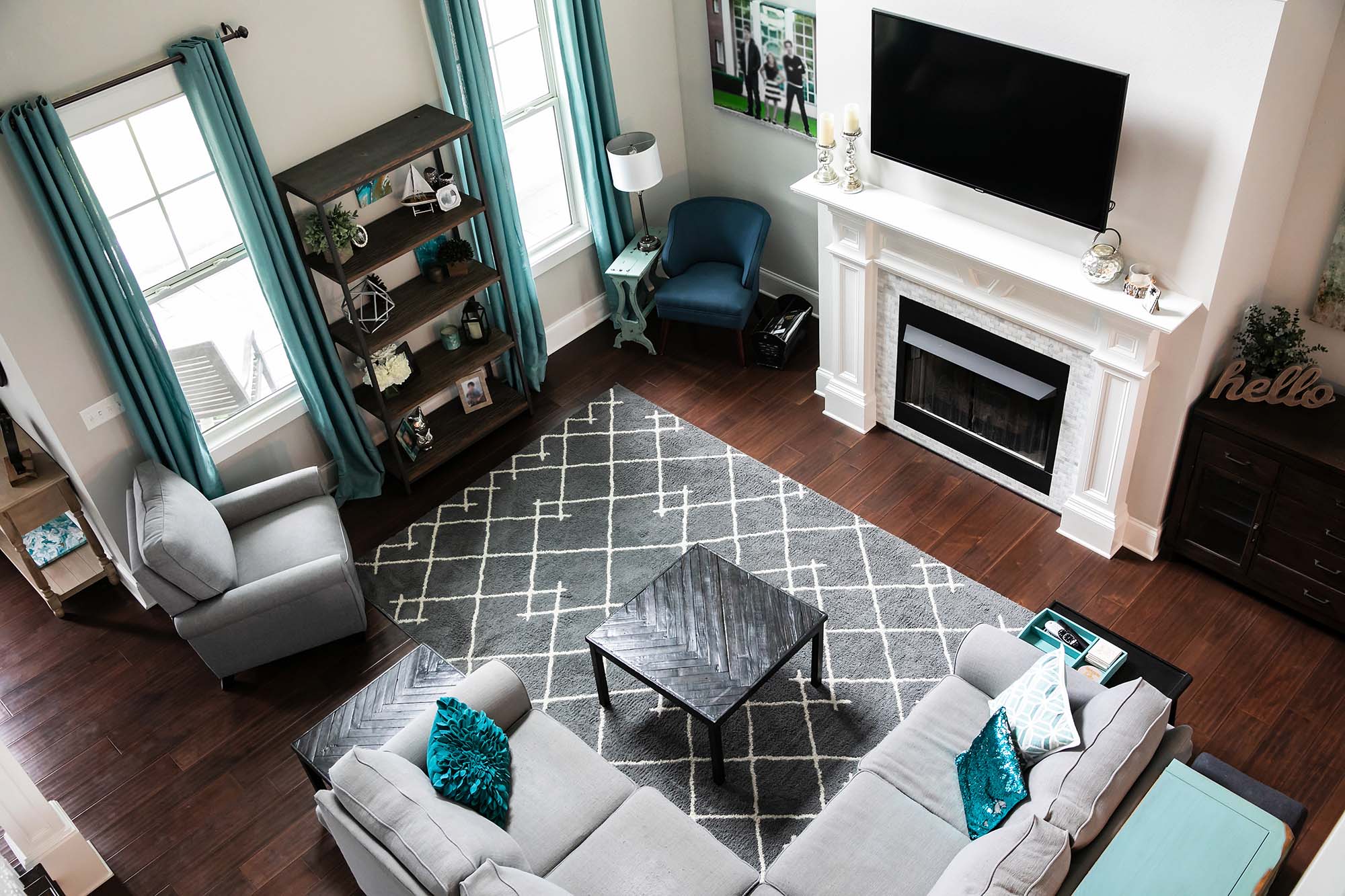
Your home’s architectural features play an important role in how each room looks and feels. From decorative moldings and large windows to fireplaces, built in shelving, and distinctive doorways, these details give your interior its character. When you choose area rugs thoughtfully, you can highlight those features while making your rooms feel more comfortable and visually balanced.
An area rug is not simply an accessory placed over your flooring. It can help define a space, introduce color, and connect different design elements. If you are exploring area rugs at Carpet Gallery, consider how the rug will work with your existing interior rather than selecting a style based on appearance alone. You can also coordinate your selection with hardwood flooring to create a cohesive foundation for your design.
Consider the Architectural Style of Your Home
Before selecting an area rug, look at the architectural character of your room. Traditional interiors may feature detailed trim, decorative fireplaces, paneled walls, or classic proportions. Contemporary spaces may have cleaner lines, open layouts, and simpler finishes.
Your rug does not have to follow the same design style as your architecture. However, it should complement the overall appearance. A traditional patterned rug can reinforce the character of a room with classic detailing, while a simple geometric or textured design may work naturally in a more contemporary setting.
You can also introduce contrast intentionally. A modern rug in a traditionally styled room can create an interesting combination, provided the colors and proportions feel balanced.
Use Rugs to Highlight Architectural Focal Points
Some architectural features naturally attract attention. A fireplace, a large window, or a distinctive built in feature may already serve as the focal point of your room.
You can use an area rug to support that feature rather than compete with it. For example, positioning a rug beneath your main seating arrangement can help direct attention toward a fireplace while creating a comfortable gathering area.
If your room has an especially detailed architectural feature, consider a rug with a more restrained pattern. This allows the original design element to remain noticeable without making the space feel visually crowded.
Choose the Right Rug Size for Your Room
Proportion is one of the most important considerations when selecting an area rug. A rug that is too small may make your furniture arrangement feel disconnected, while an oversized rug can overwhelm certain architectural details.
In a living room, you can often create a more unified arrangement by allowing the front legs of your main seating pieces to rest on the rug. This helps connect the furniture visually and gives the room a more intentional appearance.
If you have a dining area with decorative walls or prominent windows, make sure the rug is large enough to accommodate the table and chairs comfortably. The chairs should generally remain on the rug when pulled away from the table.
For rooms with unusual dimensions, measure the available floor area before making your selection. You should also account for doorways, walkways, and furniture placement.
Coordinate Rug Colors with Existing Details
Your home's architectural features can provide inspiration for choosing rug colors. Look at your wall finishes, trim, flooring, cabinetry, and other permanent elements.
If your room includes warm woodwork or traditional finishes, a rug with complementary earthy tones may create a natural connection. If your interior features light walls and understated architectural details, you might introduce a stronger color through your rug.
You do not need to match every shade exactly. Instead, look for colors that relate to one another. A rug that picks up a subtle tone from your curtains, furniture, or wall color can help the entire room feel coordinated.
Pay Attention to Patterns and Architectural Lines
Patterns can either reinforce or soften the visual structure of a room. If you have strong architectural lines, such as exposed beams, rectangular windows, or detailed paneling, a rug with a complementary geometric pattern may create a cohesive appearance.
On the other hand, if your room already contains several prominent patterns or decorative features, a simpler rug can provide visual relief.
Consider the scale of the pattern as well. Large patterns may work well in spacious rooms, while smaller or more subtle designs can be easier to incorporate into compact areas.
Make the Most of High Ceilings and Large Windows
Rooms with high ceilings and large windows often have a strong sense of vertical space. An area rug can help balance that openness by grounding your furniture arrangement.
For example, a generously sized rug beneath a seating group can create a defined area within a room that might otherwise feel too expansive. A rug with a noticeable color or texture can also provide visual weight without blocking the natural light entering through the windows.
If your room overlooks mature trees or a landscaped outdoor area, consider how the rug's colors interact with the view. Natural tones can help connect your interior with the surrounding environment.
Use Texture to Complement Your Interior
Texture can be just as important as color and pattern. If your room features smooth flooring, painted trim, and relatively simple furniture, a textured rug can introduce warmth and dimension.
In a room with elaborate architectural details, a more understated texture may be preferable. This creates a comfortable foundation while allowing the craftsmanship of the interior to remain visible.
Think about how you use the room, too. A living area where you frequently relax may benefit from a softer surface, while a formal space may call for a rug that supports its overall design and practical needs.
Respect the Natural Flow of the Room
Architectural features often determine how you move through your home. Doorways, hallways, fireplaces, and built in furniture can influence where your rug should be placed.
Before finalizing your arrangement, make sure the rug does not obstruct natural walking paths or interfere with doors. If your room connects to another living area, consider how the rug placement affects the transition between the two spaces.
A well positioned rug should make the room feel organized without restricting how you use it.
Create a More Thoughtful Interior with Area Rugs
Choosing an area rug that complements your home's architecture is about understanding how color, size, pattern, and texture work together. When you consider the features already present in your room, you can select a rug that enhances the interior rather than competing with it.
Whether your home features traditional detailing, large windows, distinctive fireplaces, or a more contemporary layout, the right area rug can help you create a comfortable and visually connected space.
If you are ready to explore area rugs for your home, contact Carpet Gallery to discuss your options. You can find a style that complements your existing flooring and architectural details while reflecting your personal taste.


