

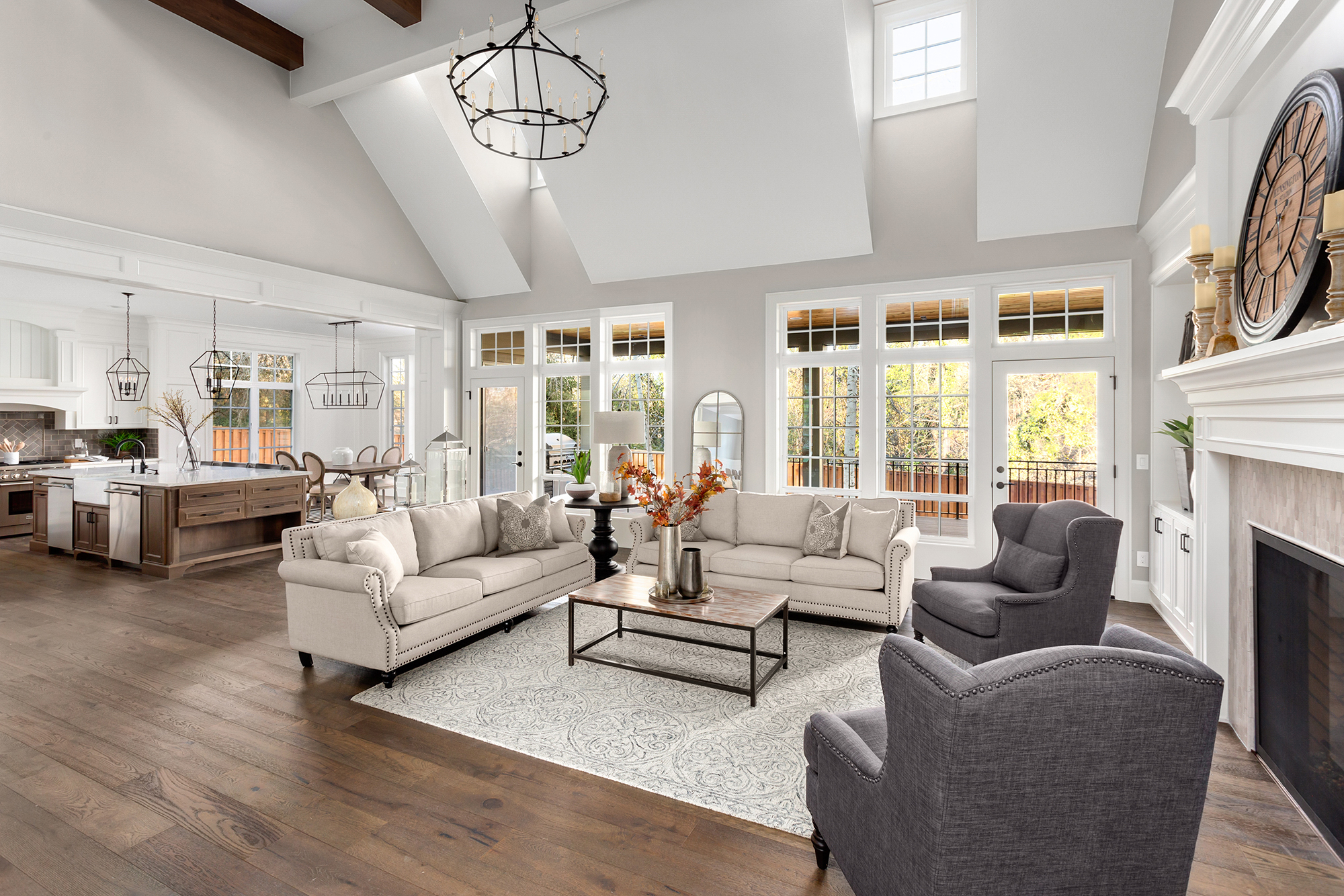
When you want your home to feel connected from one room to the next, your flooring choices can make a bigger difference than you might expect. Different rooms can have their own furniture, colors, and decorative details, but using a consistent flooring style can help everything feel like part of the same home.
Laminate flooring gives you an easy way to create that sense of continuity. With a wide range of colors, patterns, and wood inspired appearances available, you can choose a style that works across multiple areas of your home without making every room look exactly the same.
If you are exploring laminate flooring options, you can also consider how the flooring will work alongside other materials. For example, if you already have hardwood flooring in part of your home, you can use complementary tones and finishes to create a smooth visual transition between spaces.
Why Consistent Flooring Can Change the Feel of Your Home
When every room has a completely different floor, your home can sometimes feel visually divided. This may be especially noticeable when you have an open hallway connecting several rooms or when you can see multiple spaces from one central area.
Using a consistent laminate flooring style throughout connected areas can help create a more continuous appearance. Instead of each room feeling like a separate project, the flooring becomes a visual thread that connects the spaces.
This does not mean you need to make every design decision identical. You can still create different moods in individual rooms through furniture, paint, lighting, artwork, and accessories while allowing the flooring to provide continuity.
Choose a Color That Works Across Multiple Rooms
One of the first things you should consider is the color of your laminate flooring. If you plan to use the same flooring throughout several rooms, choose a tone that works with the different furnishings and finishes you already have.
Neutral wood inspired colors are often flexible because they can work with both warm and cool decorative elements. Lighter flooring can help a room feel open and bright, while deeper tones can create a warmer and more grounded atmosphere.
Think about the colors you use most throughout your home. If you have warm wood furniture, beige fabrics, and earthy accents, a laminate floor with a complementary warm tone can create a cohesive appearance. If your décor includes cooler grays, whites, or muted blues, you may prefer a flooring color that works naturally with those shades.
Pay Attention to the Direction of the Planks
The direction in which your laminate flooring is installed can also affect how rooms connect visually. In hallways and adjoining areas, continuing the same plank direction can help guide the eye from one space into another.
For example, if your main hallway leads directly into a living area, maintaining a consistent plank direction can make the transition feel more natural. Instead of visually stopping at the doorway, the flooring can help lead you into the next room.
Your home's layout will ultimately determine what works best, so consider how the rooms connect before installation begins. You can discuss the layout with a flooring professional to determine the most practical approach for your space.
Use One Flooring Style Without Making Every Room Identical
A consistent floor does not mean your rooms have to look identical. In fact, keeping the flooring similar can give you more freedom to make other design choices.
You might use a neutral laminate floor throughout your main living areas while giving each room its own personality. Your dining room could feature a more formal furniture arrangement, while your family room could have comfortable seating and casual accessories.
Because the flooring remains consistent, these differences can feel intentional rather than disconnected. The floor provides the common element while your décor creates the individual character of each space.
Think About Transitions Between Materials
You may not want laminate flooring in every part of your home. Kitchens, bathrooms, entryways, and other areas may include different flooring materials depending on your needs and preferences.
When you transition from laminate to another flooring material, think carefully about color and placement. You do not necessarily need the two materials to match perfectly. Instead, look for colors and finishes that complement each other.
For instance, a laminate floor with a natural wood appearance can transition nicely into another flooring surface when the tones are visually compatible. A thoughtful transition can make the change in materials feel like part of the design rather than an abrupt break.
Consider Your Furniture Before Choosing Laminate
Your flooring will remain in your home for years, so it is worth considering the furniture you already own. Look at the larger pieces first, including sofas, dining tables, cabinets, beds, and entertainment units.
If your furniture already has strong wood tones, you may want to choose laminate flooring that complements rather than competes with them. You can also use rugs and accessories to create separation between similar tones when needed.
If you are planning to purchase new furniture, choosing the flooring first can give you a useful foundation. Once you have selected a versatile laminate style, you can build the rest of your room design around it.
Create Continuity in Open and Connected Spaces
Consistent flooring can be particularly useful when several areas of your home are visually connected. Even if you have separate rooms, sightlines between spaces can make flooring differences more noticeable.
Using the same laminate throughout these connected areas can create a more unified appearance. You can then define each area through furniture placement, rugs, lighting, or decorative elements rather than relying on different flooring materials to separate the spaces.
This approach can work especially well when you want your home to feel spacious and organized. The consistent flooring helps the eye move naturally from one area to another.
Balance Consistency with Personality
While consistency can make your home feel more cohesive, you should still leave room for your personal style. Your flooring does not have to be the most noticeable feature in every room.
Think of laminate flooring as the foundation for your design. Once you have selected a versatile color and pattern, you can introduce personality through area rugs, furniture, artwork, lighting, and accessories.
This is also where texture can become important. A wood inspired laminate floor can provide a natural looking base, while softer textiles and decorative materials add contrast and warmth throughout the rooms.
Plan Your Flooring Before You Begin
If you are considering laminate flooring for several rooms, take time to look at the entire home rather than choosing a floor one room at a time. Consider how the spaces connect, where the flooring will change, and how your existing décor fits into the overall plan.
You should also think about how you use each room. A flooring style that looks appealing in a showroom should still make sense for your everyday routine. Consider traffic patterns, furniture placement, cleaning habits, and the overall atmosphere you want to create.
Planning ahead can help you choose a laminate floor that continues to work as your home's design evolves.
Build a Home That Feels Connected
Creating a consistent look does not require every room to have the same furniture or decorative style. By choosing a laminate flooring design that works throughout connected areas, you can create a foundation that brings the different parts of your home together.
Start by considering your existing colors, furniture, room layout, and other flooring materials. Then look for a laminate style that complements those features while giving you enough flexibility to change your décor over time.
If you are ready to explore laminate flooring for your home, contact Carpet Gallery to discuss your options. The right flooring can give you a practical foundation while helping you create a cohesive look that feels natural from room to room.


